

Start by thinking about your needs. Are you building a high-performance gaming rig or just a basic workstation? For gamers and power users, a larger case is often ideal. It provides ample space for high-end graphics cards, cooling systems, and extra drives. Think of it like needing a spacious backpack for a hiking trip—you need room for all your gear.
Next, consider airflow. Just like a well-ventilated room feels fresher, a computer case with good airflow helps keep your components cool. Look for cases with multiple fan mounts or mesh panels that promote airflow. This is particularly crucial if you’re overclocking your CPU or GPU, as these components generate a lot of heat.
Cable management is another factor to think about. A case with good cable management options, like routing holes and tie-down points, helps keep the interior neat and organized. It’s similar to having a closet with plenty of shelves and hangers—everything has its place, and your system will run more efficiently.
Lastly, don’t overlook aesthetics. Your case is like the outfit your computer wears. Whether you prefer a sleek, minimalist design or something with flashy RGB lights, the right case can reflect your personal style and make your setup stand out.
The Ultimate Guide to Picking the Perfect Computer Case: What You Need to Know
First off, consider the size. Computer cases come in various sizes—mini, mid-tower, and full-tower. If you’re building a compact PC, a mini case might be ideal. But for those who crave more space for future upgrades or custom cooling solutions, a full-tower case is the way to go. Think of it like choosing between a cozy studio apartment and a sprawling penthouse.
Next, ventilation is key. You wouldn’t want to live in a stuffy room, right? Similarly, your computer needs proper airflow to keep components cool. Look for cases with ample fan mounts and good airflow design. This helps prevent overheating and ensures that your system runs smoothly.
Cable management is another important factor. Picture your desk cluttered with tangled cords—it’s chaotic and frustrating. A good computer case offers tidy cable routing options to keep everything organized. It makes building and upgrading your PC a breeze and keeps your setup looking sleek.
Lastly, don’t overlook compatibility. Ensure the case fits your motherboard, graphics card, and other components. It’s like making sure all the pieces of a puzzle fit together perfectly. Check the dimensions and mounting options to avoid any surprises during assembly.
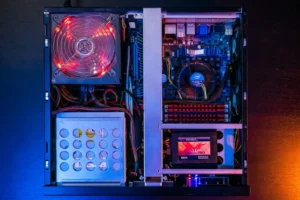
Size, Style, and Function: How to Choose the Right Computer Case for Your Build
First, consider the size. Your computer case needs to accommodate your motherboard and other components comfortably. Cases come in various sizes—ATX, microATX, and mini-ITX. Think of it like choosing a suitcase for a trip. If you’re planning on packing a lot, you’ll need a bigger one. Similarly, if you have a full-sized motherboard and multiple graphics cards, go for a larger case. If you’re building a compact system, a smaller case might be your best bet.
Next, let’s talk style. A case isn’t just a functional piece; it’s also a statement. Do you want something sleek and modern, or are you into the flashy RGB lighting and transparent panels? Style is all about your personal preference, but remember that a case with good airflow is key. It’s like choosing a room with lots of windows—good ventilation keeps your components cool and functioning properly.
Finally, think about functionality. Your case should have enough space for everything you plan to include. Look for features like cable management options, drive bays, and cooling options. Some cases offer pre-installed fans, while others have space for additional ones. Consider this like choosing a workspace: you need enough room to work efficiently and tools to keep things organized.
So, when selecting your computer case, balance size, style, and functionality to match your needs and preferences. Just like a tailor fits a suit, choose a case that fits your build perfectly.
Choosing the Right Computer Case: 7 Key Factors Every Builder Should Consider
First up, size matters. Computer cases come in various sizes, such as ATX, microATX, and Mini-ITX. Your motherboard dictates the size of your case, so make sure the case you pick matches your motherboard’s dimensions. It’s like making sure your shoes fit before buying them!
Next, think about airflow. A good case ensures your components stay cool and run smoothly. Look for cases with plenty of fan mounts and mesh panels to keep the air flowing. Just like how you need good ventilation in your home to stay comfortable, your PC needs it too.
Cable management is another crucial factor. A case with built-in cable management features helps keep things tidy, making it easier to build and maintain your PC. It’s akin to having organized drawers at home—everything is where it should be, and you avoid messy tangles.
Consider the expansion options. If you plan on adding more drives or additional hardware down the line, ensure the case has enough room and slots for expansion. Think of it as planning extra closet space for future wardrobe additions.
Then there’s aesthetics. Your computer case can be a statement piece or blend seamlessly into your setup. Choose a design and color that fits your style, whether you want a sleek, minimalist look or a vibrant, LED-lit spectacle.
Lastly, think about ease of access. Features like removable panels and tool-less drive bays make it easier to upgrade and maintain your PC. It’s like having easy access to all your gadgets and gizmos without fuss.
From Airflow to Aesthetics: Decoding the Best Computer Cases for Your PC
Let’s talk airflow first. Imagine your PC case as a room that needs fresh air to keep things cool. Cases with excellent airflow come with strategically placed fans and vents, ensuring that hot air exits quickly while cooler air is drawn in efficiently. It’s like having windows open in a stuffy room—keeping things breezy and fresh. If you’re a gamer or someone who pushes their PC to the limit, good airflow is your best friend in avoiding overheating.
Next up is aesthetics. Here’s where your personal style comes into play. Some people love sleek, minimalistic designs with clean lines and subtle lighting. Others go for bold, flashy cases with RGB lighting that makes their setup pop. Your PC case can be an extension of your personality, making it a statement piece in your workspace. It’s a bit like choosing between a classic watch and a smartwatch—both are functional, but each has its own flair.

Lastly, cable management is the unsung hero of a tidy build. Imagine a neatly organized desk versus one with tangled cords everywhere. A good case will offer features like cable routing channels and tie-down points to keep everything orderly. This not only looks better but also improves airflow and makes future upgrades easier.
In short, when picking a PC case, consider how it balances airflow, aesthetics, and cable management. Your choice will ensure your system runs smoothly while also making a statement about your style.
Why Your Computer Case Choice Matters: Tips for a Better Build
First off, airflow is vital. Think of your computer’s cooling system like a sports car’s engine. If it doesn’t get enough air, it’ll overheat and slow down. A case with proper ventilation and fan mounts ensures that your components stay cool and perform at their best. Opt for cases with mesh panels or enough space for multiple fans to keep that airflow smooth.
Size matters, too. Picture trying to fit a giant TV into a tiny room—it just doesn’t work. Similarly, if your case is too small for your components, you’ll run into issues. Make sure your case is spacious enough to accommodate your motherboard, GPU, and other parts without cramping them. Some cases even offer room for future upgrades, which is a huge plus if you plan to expand down the road.
Cable management is another key point. Imagine a cluttered desk full of tangled cords—it’s frustrating and chaotic. A case with good cable management options can help you keep things neat and organized, improving airflow and making maintenance a breeze. Look for cases with dedicated cable routing holes and tie-down points.
Lastly, don’t forget about aesthetics. A case isn’t just a protective shell; it’s also a part of your setup’s visual appeal. Choose a design that complements your style while also fitting into your overall setup. Some cases come with RGB lighting options to add a bit of flair, turning your computer into a centerpiece.
In short, the right case is more than just a container—it’s a crucial component that affects cooling, space, organization, and style.
